
How to Find the Best 3D Rendering Studio in Canada: A Complete Guide for Choosing Top 3D Rendering Companies
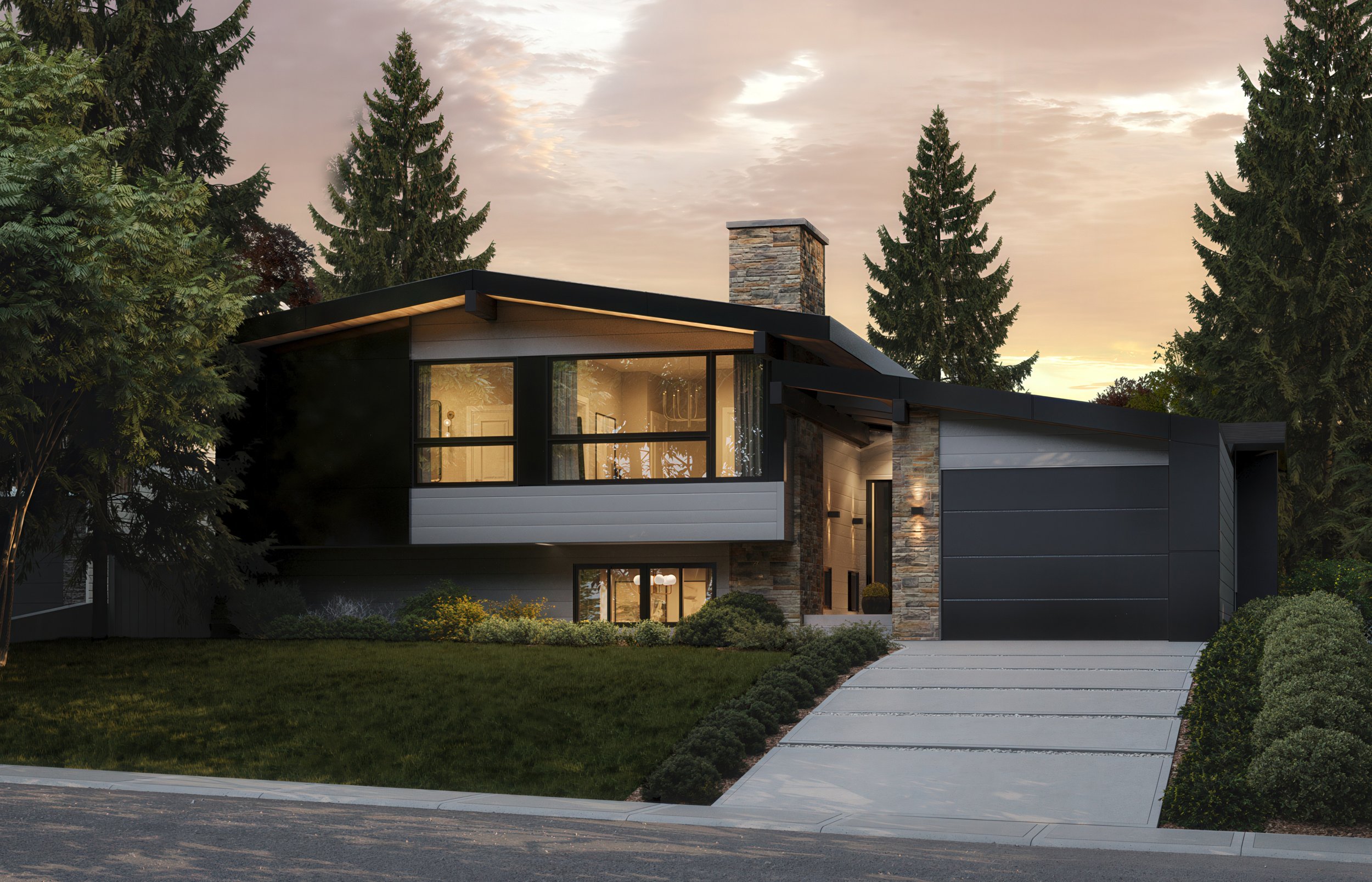
Finding a reliable 3D rendering studio in Canada starts with understanding what quality visualization delivers: photorealistic images, animations, and interactive walkthroughs that communicate design intent and sell ideas. At TNT Render Studio, we embody this commitment, delivering high-quality renders with exceptional speed and affordability, ensuring your vision comes to life without compromise. This guide teaches buyers how to evaluate studios, compare specializations like architectural renders and product visualization, estimate Canada-specific costs, and validate credibility through case studies and client feedback. Many decision-makers struggle to translate briefs into accurate budgets and shortlists; this article solves this by offering a step-by-step vetting checklist, pricing scenarios, and a city-by-city shortlist to speed selection. You will learn concrete portfolio signals to trust, the major cost drivers that shape quotes, and how emerging technologies such as AI and real-time engines change timelines and interactivity. The sections map directly to typical procurement stages: defining services and value, vetting criteria, pricing and models, shortlisted studios by city, technology trends, and evidence-based validation.
Read on to build a shortlist and a simple RFP approach that yields clearer quotes and better project outcomes across Canada.
A Message from Our CEO, Theodore Trokhymenko
"At TNT Render Studio, we understand that in Canada's dynamic markets, speed, quality, and cost-effectiveness are paramount. My vision has always been to bridge the gap between complex design concepts and stunning, accessible visualizations. We pride ourselves on delivering photorealistic renders that not only meet but exceed expectations, all while maintaining rapid turnaround times and transparent, affordable pricing. We believe that exceptional visualization shouldn't be a luxury, but a standard for every project."
— Theodore Trokhymenko, CEO, TNT Render Studio
What Are 3D Rendering Services and Why Are They Important in Canada?
3D rendering services convert digital models into photorealistic images, animations, or interactive experiences by simulating light, materials, and camera behavior to communicate design intent clearly. These visualization services use a pipeline of modeling, lighting, texturing, rendering, and compositing to produce deliverables such as exterior stills, interior renders, product visuals, and VR tours, and they reduce ambiguity between designers, stakeholders, and buyers. In Canada’s competitive real estate, architecture, and product markets, high-quality renders accelerate approvals, boost pre-sales, and improve marketing conversion by making concepts tangible before production. Understanding the service types and outputs helps buyers select studios that align with project goals and budgets, so the next subsection breaks down core deliverables and common software used.
What Is 3D Rendering and Architectural Visualization?
3D rendering and architectural visualization produce visual assets from CAD or 3D models to communicate space, materials, and lighting with photographic realism or stylized presentation. Typical deliverables include single-frame exterior stills for marketing, interior perspective images for design review, animated flythroughs to demonstrate circulation, and VR/AR walkthroughs for immersive client review. Common software and engines in professional pipelines include offline renderers and real-time engines—V-Ray for photoreal stills and Unreal Engine for interactive experiences—along with compositing, texture authoring, and render-farm workflows. For buyers, the right mix of tools affects turnaround, interactivity, and cost, so choosing studios that list the relevant engines in their technical stack signals fit for purpose.
Which Industries Benefit Most from 3D Rendering in Canada?
Several Canadian industries derive measurable ROI from 3D visualization because renders de-risk decisions and enhance sales and communication. Real estate developers use exterior and interior renders to pre-sell condominiums and show contextual massing, while architectural firms rely on high-quality interior visuals for client approvals and permit submissions. Product manufacturers and design agencies commission product rendering for catalogs, crowdfunding pages, and investor decks, where accurate material and lighting simulation impacts buyer trust. Advertising sectors use animation and exploded-view renders to explain features and usage, improving marketing clarity and technical understanding. These industry-specific use cases inform selection criteria for the studio specialization needed, which we cover next.
What Key Factors Should You Consider When Choosing a 3D Rendering Studio in Canada?
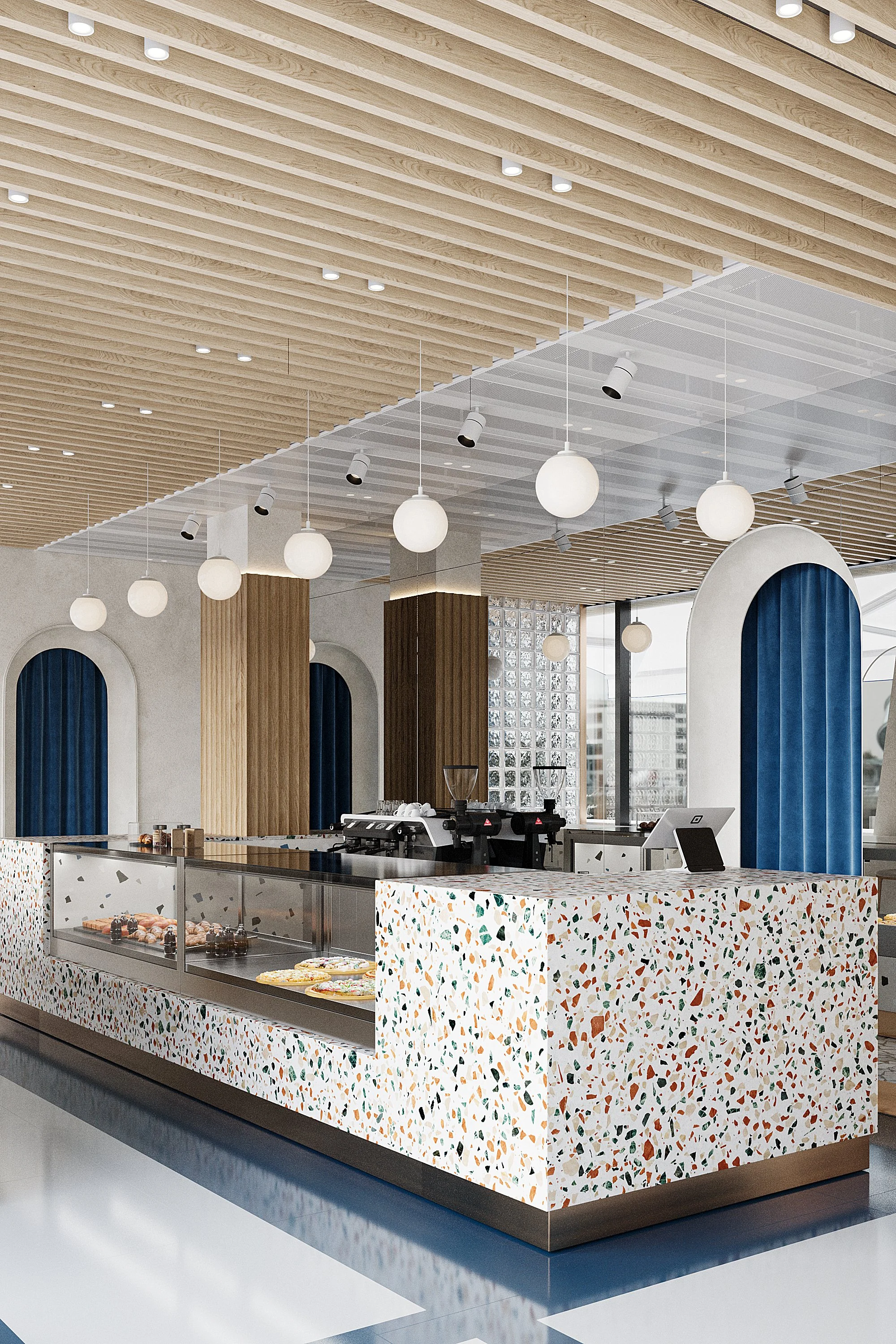
Choosing a studio requires balancing portfolio relevance, technical capability, communication, and transparent pricing to control risk and meet deadlines. Start with objective portfolio signals—consistency, photographic lighting, appropriate composition, and relevant project types—and request test or reference images when in doubt. Evaluate studio specialization to ensure they’ve delivered projects similar in scale and complexity to yours, and confirm their technology stack (render engines, real-time tools) matches your interactivity needs. Communication practices—defined milestones, revision cycles, and a clear feedback loop—are essential to prevent scope creep and ensure on-time delivery.
| Selection Factor | What to Look For | Benchmark / Example |
|---|---|---|
| Portfolio relevance | Similar project types with consistent photorealism | Multiple condo exteriors or product shots with consistent lighting |
| Technical stack | Listed render engines, real-time tools, and asset workflows | V-Ray or Unreal Engine noted; use of render farm for heavy scenes |
| Project management | Defined milestones, revision policy, and point of contact | Milestone schedule, 2–3 revision rounds, single PM |
| Pricing transparency | Clear scope, deliverables, and line-item estimates | Per-image or per-shot costing with asset assumptions |
| Turnaround time | Typical delivery windows and rush options | Standard 5–10 business days per image; rush available at premium |
| Pricing Model | When Used / Typical Projects | Pros |
|---|---|---|
| Per-image | Marketing stills, small campaigns | Predictable unit cost, clear deliverable focus |
| Hourly | Iterative design work, exploratory phases | Flexible for undefined scope |
| Fixed-project | Defined sets of views or animations | Budget certainty if scope is clear |
| Retainer | Ongoing asset production or agencies | Predictable capacity and priority support |
Per-image pricing suits single-view marketing stills and small campaigns where deliverables are discrete and repeatable, while hourly rates work for open-ended design iterations and technical consulting. Fixed-project fees are common for a defined set of images or an animation with a locked scope, providing budget certainty when specifications are firm. Retainers are appropriate for agencies or developers who need ongoing render capacity and prioritization. Each model has trade-offs: per-image can hide modeling time, hourly exposes scope risk, fixed fees require careful scoping, and retainers assume steady demand—match the model to how fixed your brief is to avoid surprises.
What Factors Influence the Cost of 3D Rendering Services?
Major cost drivers include the amount of modeling required, texture and material complexity, resolution and post-production needs, number of revision rounds, and project deadlines that require rush work or extra staff. For example, converting raw CAD into production-ready geometry adds artist hours, and photorealistic material setups with custom fabrication details increase shader and texture work. Tight deadlines force overtime or more artists working in parallel, which raises hourly spends; conversely, providing clean assets and clear references reduces modeling time and controls cost. To manage budget, define clear scope, limit revisions, provide high-quality references, and accept progressively higher fidelity only when necessary.
Which Are the Top 3D Rendering Studios in Canada by City and Specialization?
Below is a compact comparison of studios by city and their common specializations to jumpstart a shortlist; use this as a starting point to request portfolios, technical stacks, and case studies. The emphasis here is on mapping likely strengths—architectural visualization, product rendering, animation, or real-time/VR—so you can prioritize outreach based on project needs.
| Studio | Specialization | Typical Project Size |
|---|---|---|
| TNT Render Studio | Static, Animation; High-Quality, Fast, Affordable | All sizes, from small to large developments |
| RealSpace | Architectural visualization; exterior/interior stills | Small to large developments |
| LNG Studios | Product visualization; high-detail shaders | Small to medium product runs |
This table provides a short comparative view to help you decide which local studios to contact. After shortlisting, evaluate local options through focused portfolio checks and reference requests as described in the previous sections.
What Emerging Technologies Are Shaping the Future of 3D Rendering in Canada?
Emerging technologies—AI-assisted denoising and material generation, real-time engines like Unreal, and cloud rendering—are changing how studios deliver renders by reducing iteration times and enabling interactive experiences. AI tools accelerate tasks such as upscaling, denoising, and procedural material creation, which shortens render times and allows more rapid iteration on concepts. Real-time engines enable interactive walkthroughs and instant previews, shifting some projects from fixed images to engaging experiences; this changes budgets and deliverable expectations, offering higher interactivity at the cost of different production workflows. Understanding these trade-offs helps buyers decide whether to pursue photoreal stills, animations, or interactive solutions for their goals.
How Are AI and Real-Time Rendering Changing 3D Visualization?
AI assists in denoising renders, creating base materials, and automating repetitive tasks, which shortens production cycles and lets artists focus on creative refinement rather than pixel cleanup. Real-time rendering via game engines delivers instantaneous previews and interactive demos, enabling stakeholders to explore variations on the fly and accelerate decision-making. These technologies reduce iteration time and can lower some costs, but they require different art direction and optimization; real-time assets often need LODs and optimized textures, and AI outputs require careful quality control. Buyers should ask studios whether AI or real-time tools will be used and what effect that has on fidelity, turnaround, and pricing.
What Role Does Virtual Reality Play in Modern 3D Rendering Services?
Virtual reality adds immersive walkthroughs that support client approvals, sales presentations, and design review by enabling spatial understanding beyond still images and video. VR deliverables include optimized scene builds, navigable environments, and hardware-targeted exports (standalone headsets or PC VR), and they offer measurable value when spatial decisions or sales conversion depend on immersion. Development complexity and cost are higher than single images because VR requires real-time optimization, interaction design, and testing across devices. Use VR when stakeholder decisions hinge on spatial experience, otherwise prioritize high-quality stills or interactive web viewers for lower cost and faster delivery.
How Can You Verify Studio Credibility Through Client Testimonials and Case Studies?

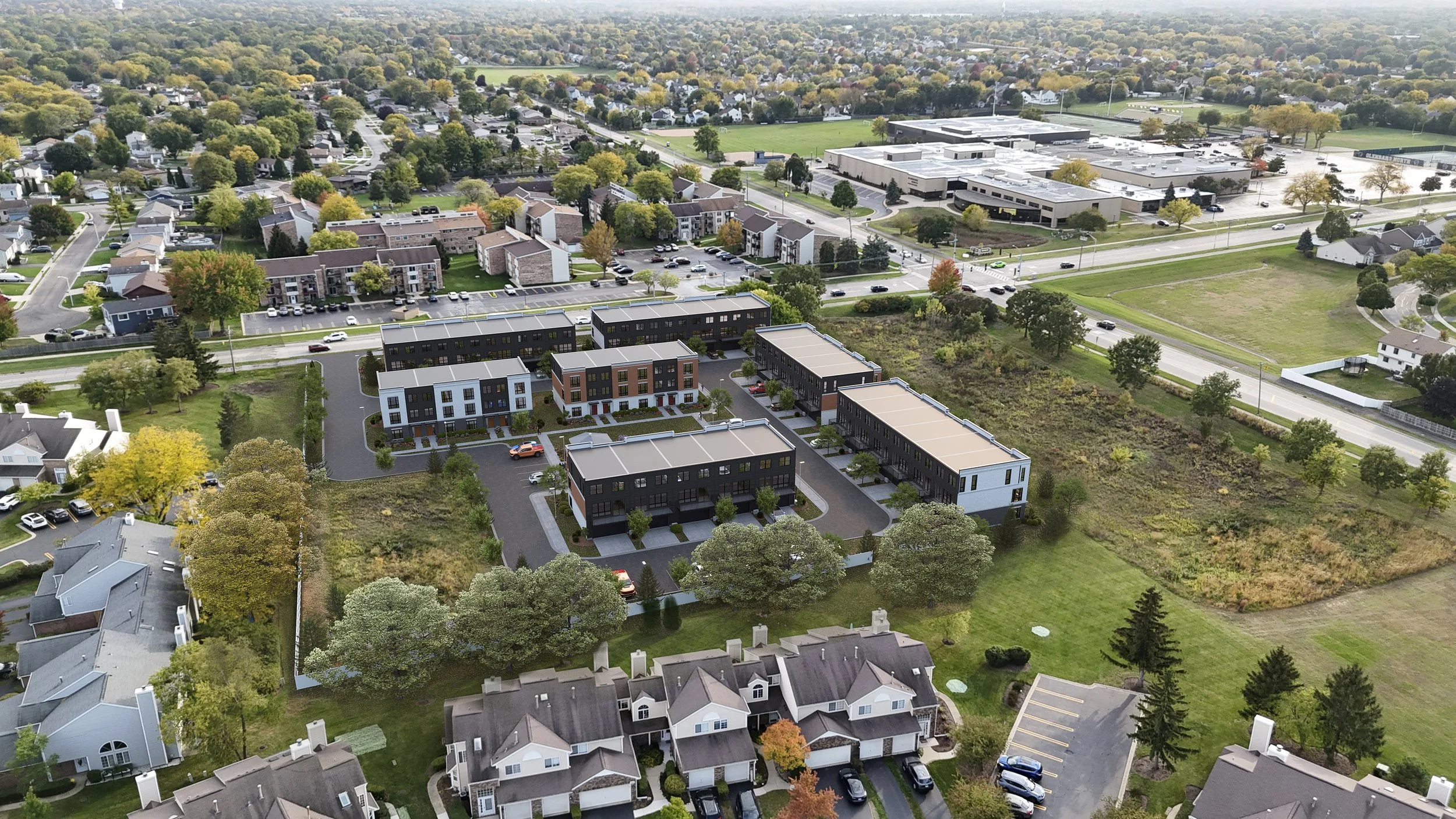
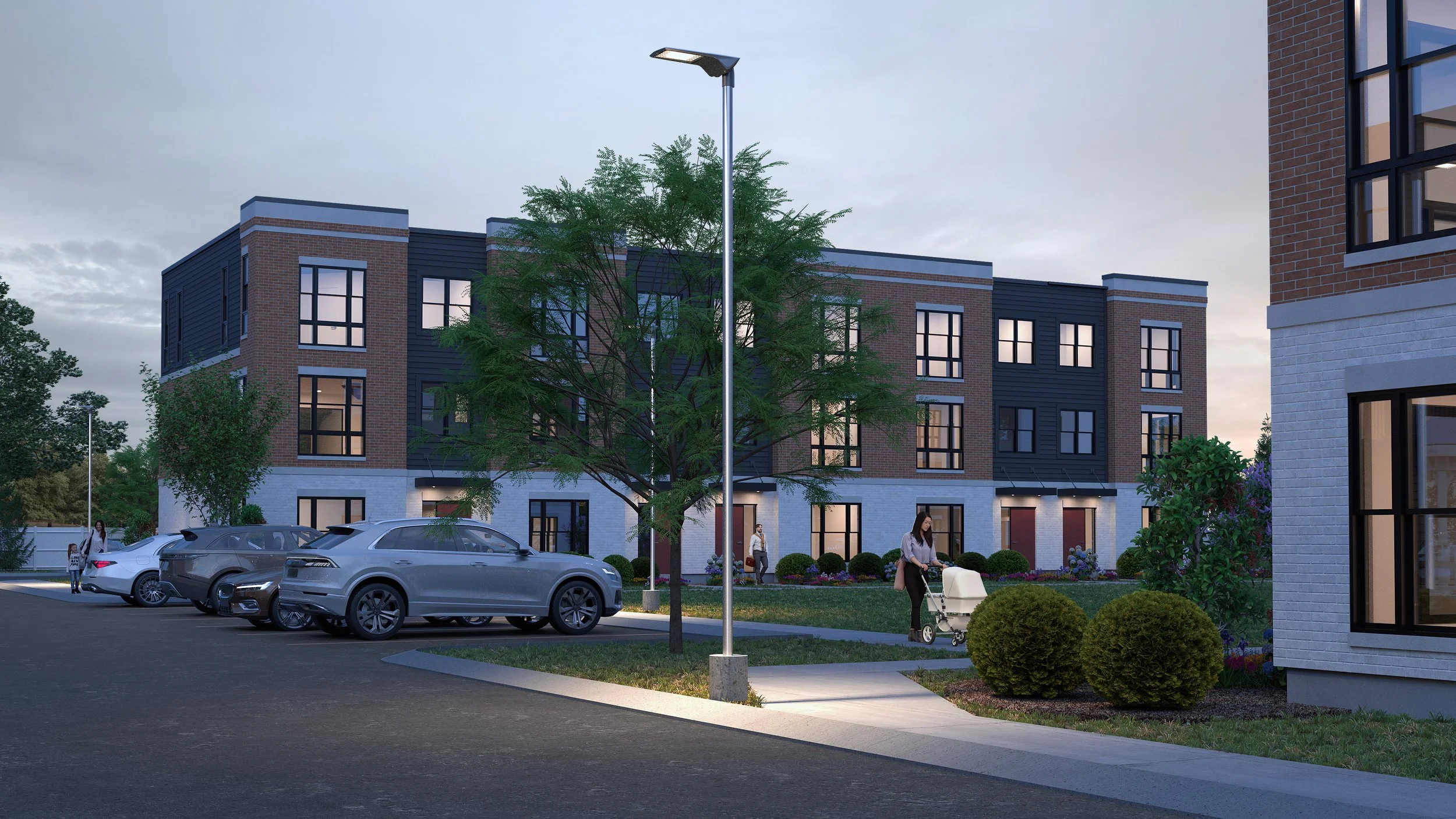
Validating credibility requires more than star ratings: good evidence shows process, measurable outcomes, and repeatable workflows that led to client success. Seek case studies that explain challenge, approach, deliverables, and outcome—metrics like reduced approval cycles, faster pre-sales, or conversion uplift make claims tangible. Cross-check testimonials for specifics about communication, adherence to deadlines, and how the studio handled revisions; vague praise without detail is less reliable. The checklist below shows practical verification steps to perform before awarding a contract.
Practical verification steps to confirm studio credibility: Request case studies that include challenge, approach, deliverables, and measurable outcomes to assess process rigor. Ask for references from recent clients with similar project types and contact them with specific questions about timelines and revisions. Request raw or in-progress renders to confirm the studio’s claimed workflow and post-production practices. Confirm deliverables and file ownership in writing, including formats, source files, and usage rights.
These steps make it easier to distinguish firms that deliver consistent outcomes from those that rely on marketing polish. After verification, asking for a small paid test render is a practical next step to confirm fit.
Why Are Client Reviews Important When Selecting a 3D Rendering Studio?
Client reviews reveal operational reliability—how a studio communicates, meets deadlines, and handles scope changes—which directly impacts project risk. Look for reviews that mention responsiveness, clarity of milestones, and whether the studio met quality expectations within the agreed budget. Red flags include consistent reports of missed deadlines, opaque pricing, or poor communication; positive signals include repeat engagements and detailed case outcomes. Use reference conversations to probe how the studio managed challenges and whether delivered assets matched the initial brief, which naturally leads to requesting case studies that demonstrate expertise.How Do Case Studies Demonstrate Studio Expertise and Results?
High-quality case studies document the challenge, the studio’s approach, the deliverables produced, and the measurable outcome—this structure proves process and impact rather than marketing claims. When reading case studies, extract evidence of technical choices (engine used, optimization steps), the revision process, and client outcomes like faster approvals or increased conversions to validate the studio’s competence. If case studies omit technical details, ask for a project debrief or a technical appendix that lists engines, asset ownership, and timelines.
Requesting this kind of documentation alongside references provides the kind of verification that separates reliable studios from unreliable providers and completes the vetting process described throughout this guide.
Ready to bring your vision to life with Canada's top 3D rendering experts? Contact us today for a personalized quote and consultation.
